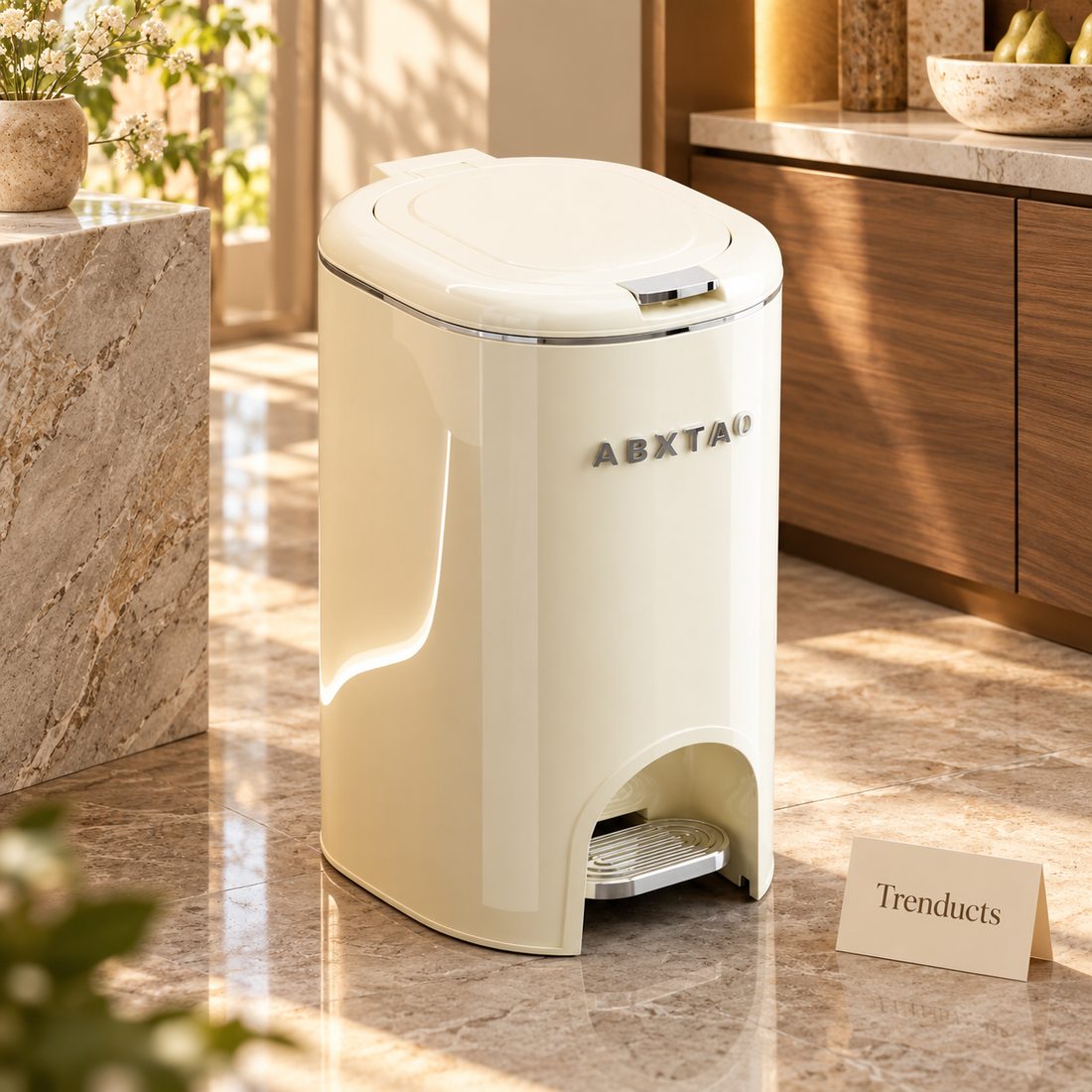
Waste is a growing problem in Pakistani cities. Collection is uneven, open dumps are common, and plastic bags clog drains every monsoon. We cannot fix city systems at home, but we can manage our own waste better. It starts with the humble kitchen dustbin. A good bin and a simple sorting habit keep the kitchen cleaner, reduce flies and smells, and make it easier for recyclable material to be reused instead of dumped.
What a typical household throws away
A large share of household waste in Pakistan is organic: vegetable peels, leftover food, tea leaves and eggshells. The rest is mostly plastic packaging, paper, glass bottles and tins. Much of the dry waste has value; kabadiwalas buy paper, plastic, glass and metal. Keeping these separate from wet waste means they stay clean and saleable.
A two-bin system
The easiest place to start is with just two bins in the kitchen:
- Wet waste: food scraps, peels, tea leaves, eggshells
- Dry waste: plastic, paper, cardboard, tins and glass
Wet waste goes out daily. Dry waste can be stored for longer and given to the kabadiwala or a recycling point every week or two. If you have a garden or even pots, vegetable peels can be composted.
Choosing a kitchen dustbin
- Pedal bins let you open the lid without touching it, which is more hygienic when your hands are messy
- Soft-close or hydraulic lids close slowly and quietly
- Stainless steel bins are durable and look smart, but show fingerprints
- Hanging bins that fit on a cabinet door are great for small kitchens and for collecting peels while cooking
- Bins with a removable inner bucket are easier to clean
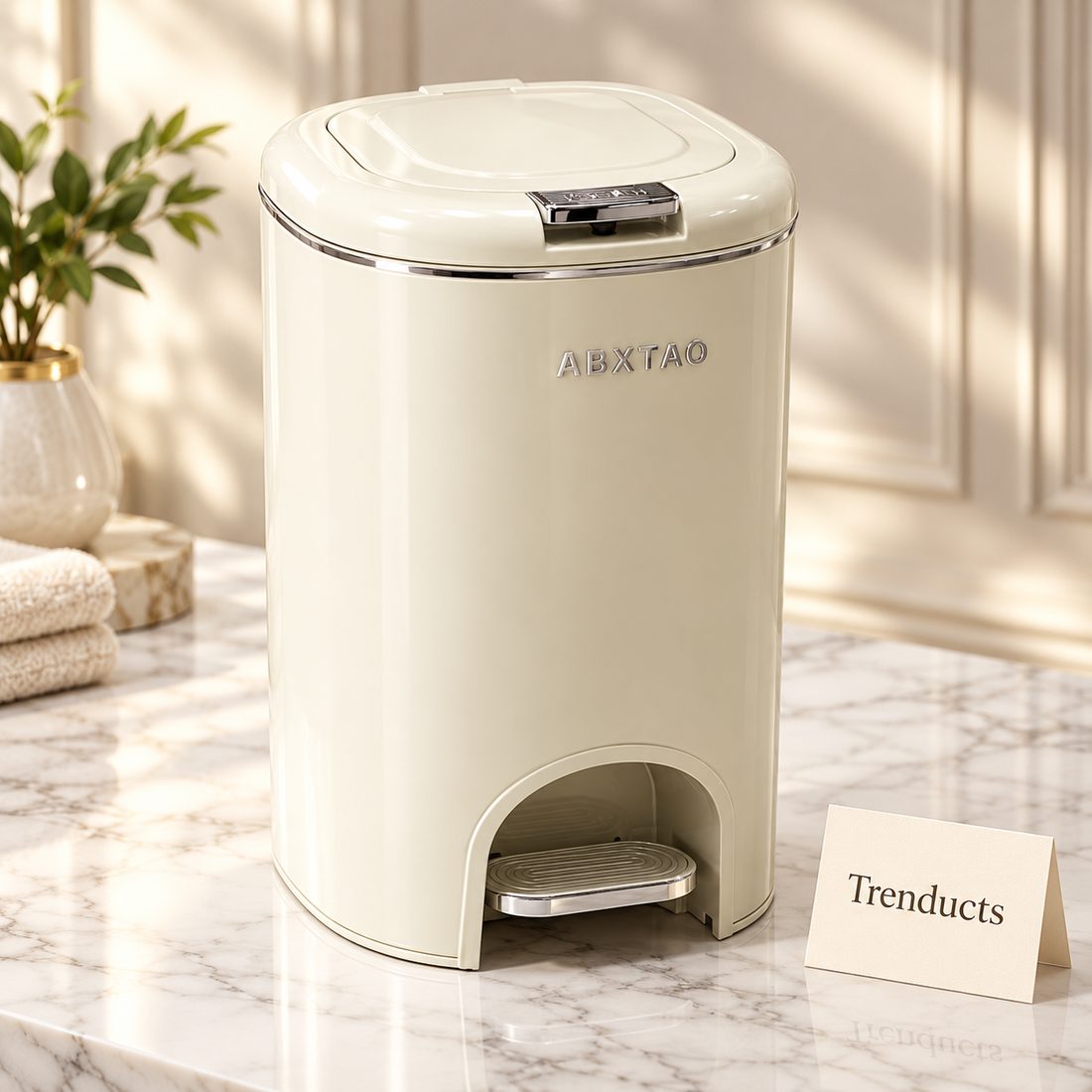
Size matters too: a smaller bin for wet waste that is emptied daily is better than a large bin that sits half-full and smells.
Beating smells and flies in summer
Pakistani summers turn kitchen bins into fly magnets within hours. A few habits help:
- Use a bin with a tight-fitting lid
- Empty wet waste every day, and twice a day in peak summer
- Drain liquids from food scraps before throwing them away
- Wrap meat and fish waste in newspaper
- Sprinkle a little baking soda at the bottom of the bin to absorb smells
- Wash the bin weekly with soapy water and let it dry in the sun
Reduce plastic bags
Many households line bins with thin plastic shopping bags. Using biodegradable bin liners or newspaper for wet waste is better. At the market, carrying a cloth bag reduces the number of bags coming home in the first place.
Under-desk and bedroom bins
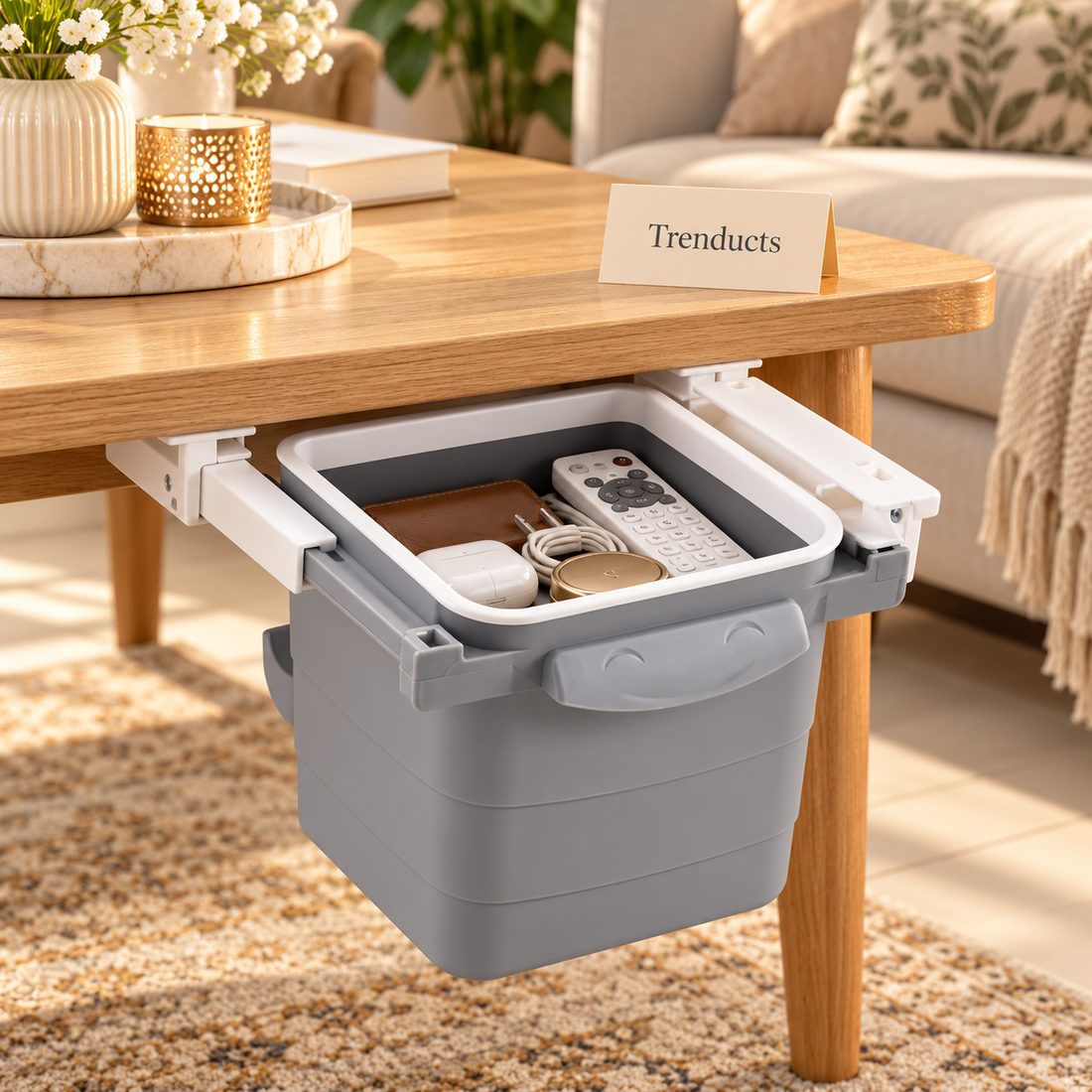
Every room produces some waste. Small bins in bedrooms, study areas and bathrooms stop paper and wrappers ending up in the kitchen bin. Hidden or drawer-style bins under a desk keep rooms looking tidy.
Getting the family on board
Label the bins clearly, or use different colours, and explain to everyone what goes where. Children quickly learn the system if it is simple. Helpers and cooks should also know the plan. Within a couple of weeks it becomes routine.
Hazardous items
Batteries, broken bulbs, medicines and sharp objects should not go in regular bins. Keep a small box for them and dispose of them separately where possible. Wrap broken glass in thick paper before throwing it away so collectors are not hurt.
Quick questions
- What size bin is best for a family of five? A 10 to 15 litre bin for wet waste that is emptied daily, plus a larger bin or bag for dry recyclables, works well for most families.
- Can tea leaves and peels go in plants? Yes. Used tea leaves and chopped vegetable peels can be mixed into soil or composted, which reduces wet waste noticeably.
Choosing your bins
If you are setting up a two-bin system, look at these kitchen dustbins and trash cans, including pedal bins, hydraulic-lid models and hanging bins for small kitchens. Trenducts delivers across Pakistan.
A clean kitchen and a little less waste going to dumps: the right dustbin is a small step that makes both possible.